
Top Photo: Considered invasive wherever they’ve been introduced, American bullfrog and red swamp crawfish are known for their ability to alter and take over habitats.
Here’s some photos to guide you through the dry times (we’re in a drought, but life goes on).
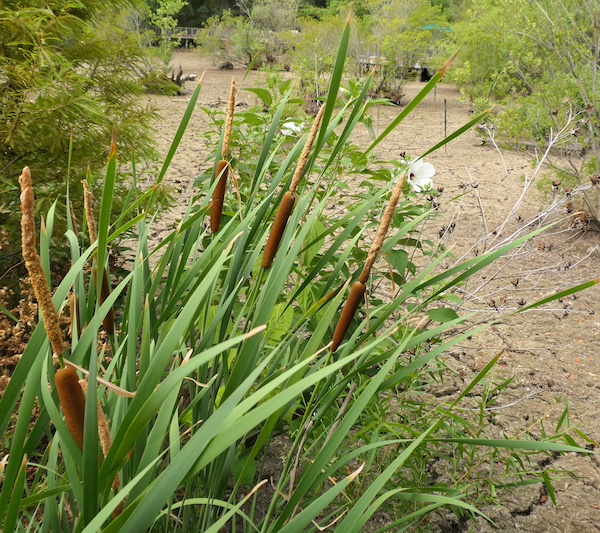
Even though we’ve been high and dry in our wetland the cattails continue to grow.
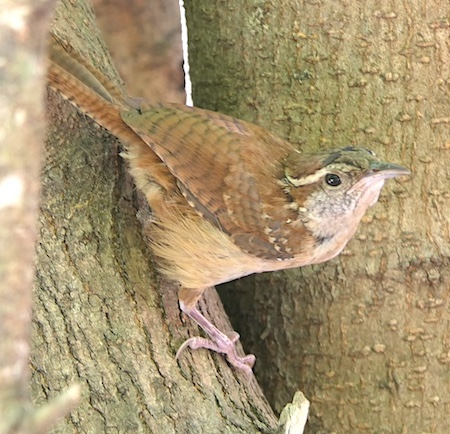
Many birds have fledged in the past several weeks, like this young Carolina wren.
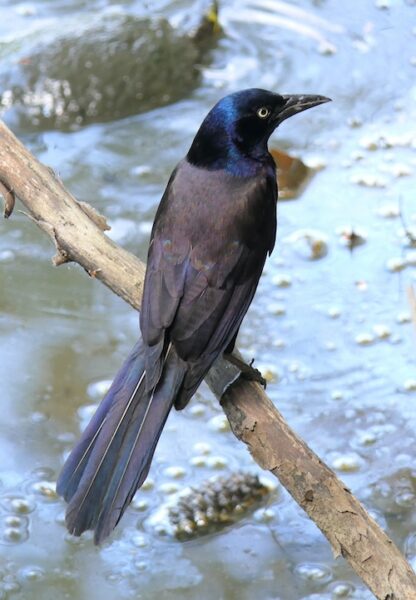
This is an adult common grackle staking out food for its nearby fledglings. They, the fledglings, are learning the ropes.
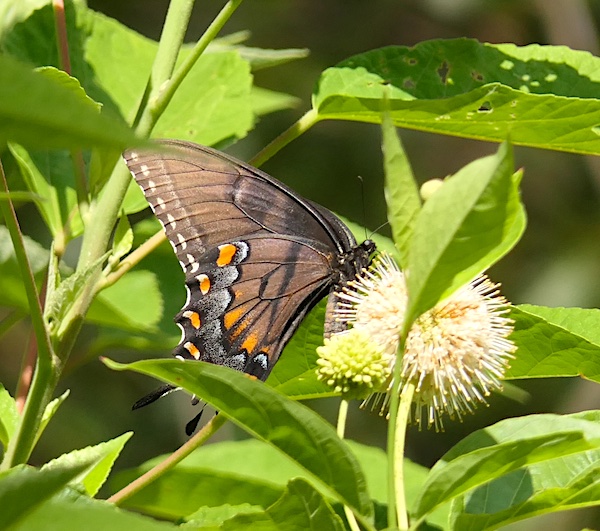
Butterflies continue to nectar wherever flowers are available.
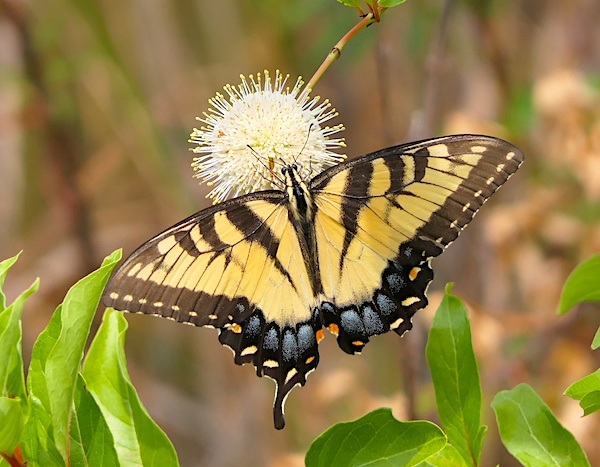
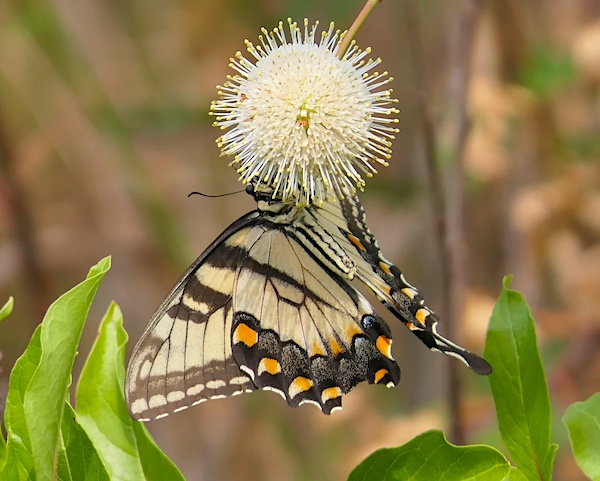
Female eastern tiger swallowtails have a dark form which mimics the coloration of pipevine swallowtail. The pipeline swalllowtail is toxic and therefore undesirable to predators like birds. This type of mimicry is called Batesian Mimicry named for English naturalist Henry Walter Bates who studied and described the phenomenon.
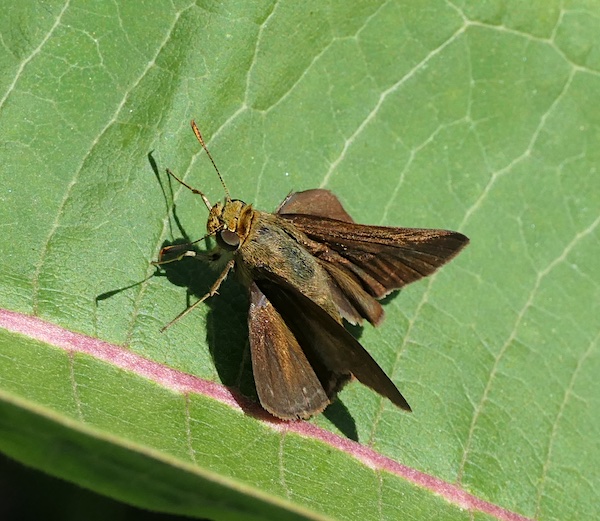
A dun skipper rests on a leaf before flying off to seek a steady nectar source.
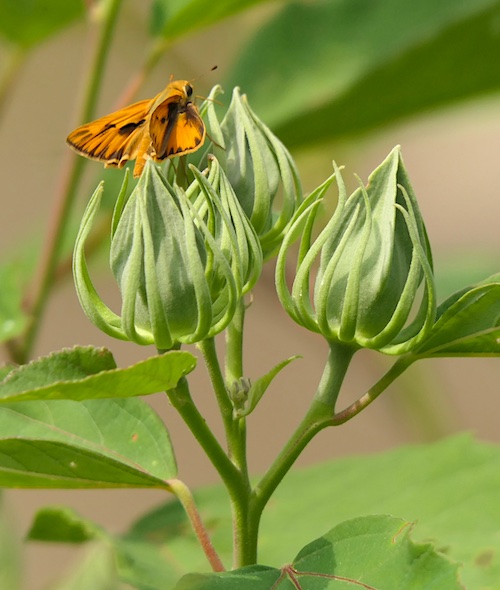
A fiery skipper perched on a hibiscus flower bud makes for an interesting photograph.
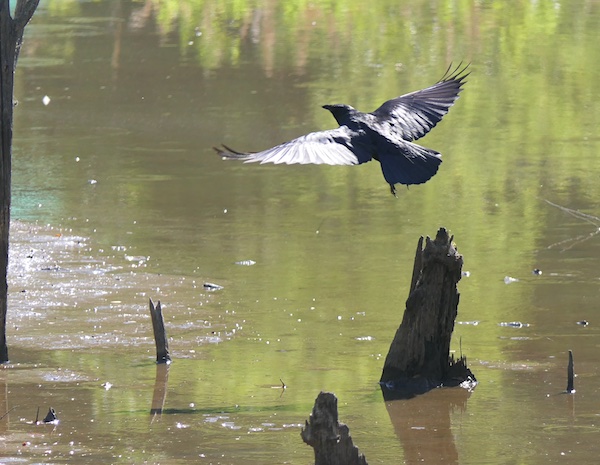
We have two species of crow on campus. Fish crow is one of them.
Glow worms are actually beetles. The females display neoteny or juvenilization. They retain certain larval characteristics into adulthood. The adult males look like what you’d expect an adult beetle to look like.
They feed on millipedes.

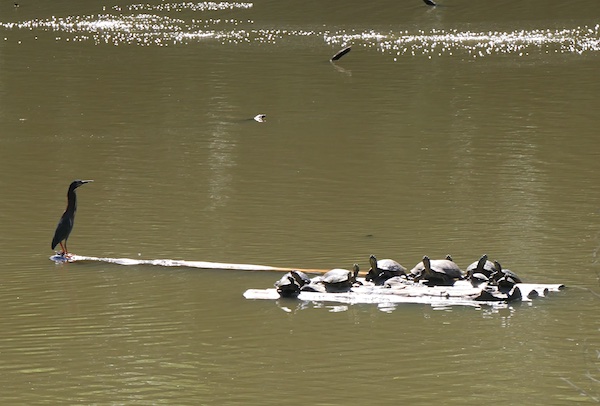
Green herons drop in every so often to sample the aquatic prey items in the water. Sliders are here as long as water and a good place to bask is available.
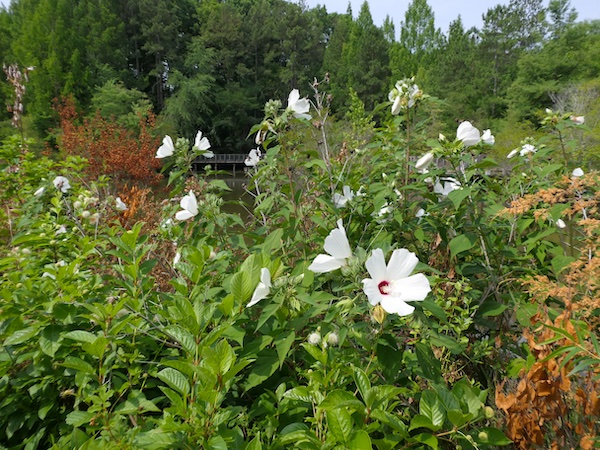
Hibiscus is a common flower around the wetlands

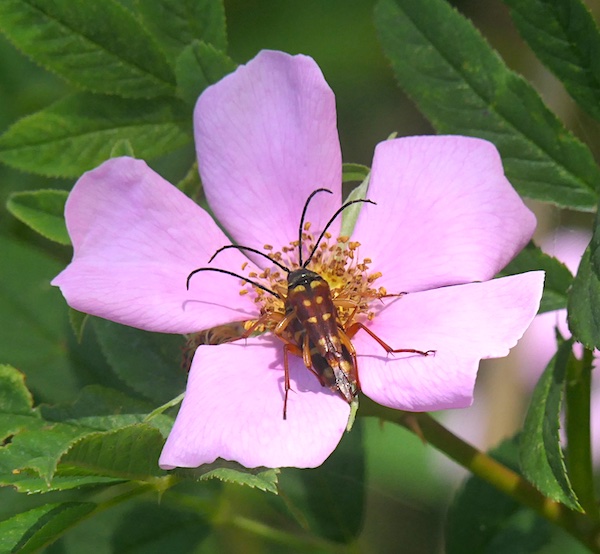
I at first thought I was looking at a single Typocerus zebra beetle on a swamp rose flower until I noticed there were four antennae on the supposedly lone beetle. It’s a mating pair.
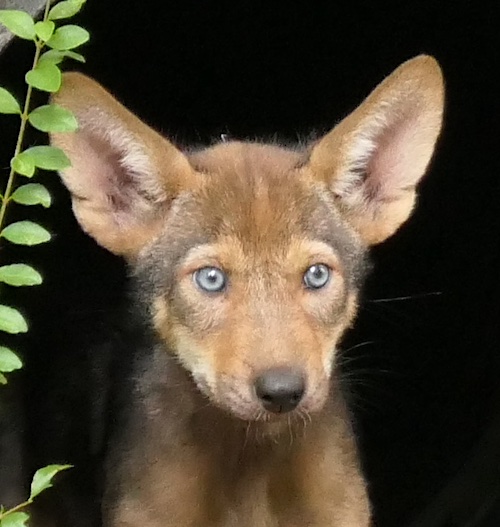
And lastly, a red wolf pup shows off its blue-eyed stare. The blue will turn to amber, or yellow, soon.
Enjoy the outdoors. Be mindful of the heat.
Ranger Greg
Beautiful pictures!
Thank you.