
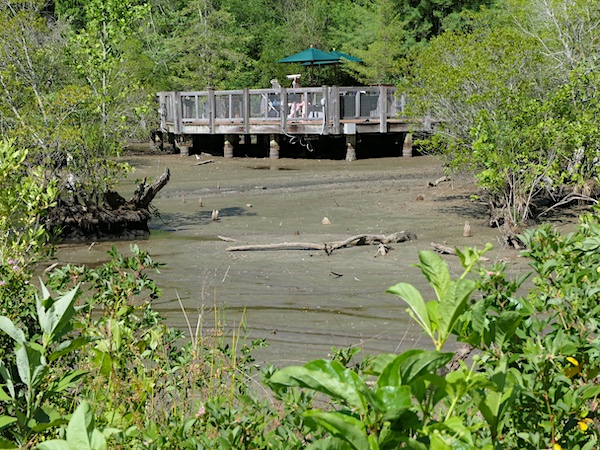
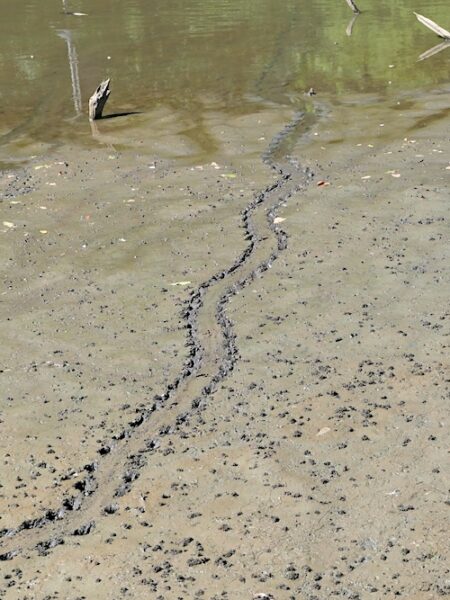
Top Photo: Wetlands losing water to evaporation.
As spring rolls into summer, meteorologically speaking, drought hangs over us, the wetlands are drying up exposing more and more of its muddy substrate.
But life goes on. Here are some photos of the past few week’s sights and more.
As you can see above and below the wetlands is becoming a mud flat. If rain doesn’t appear soon it’ll become a meadow.
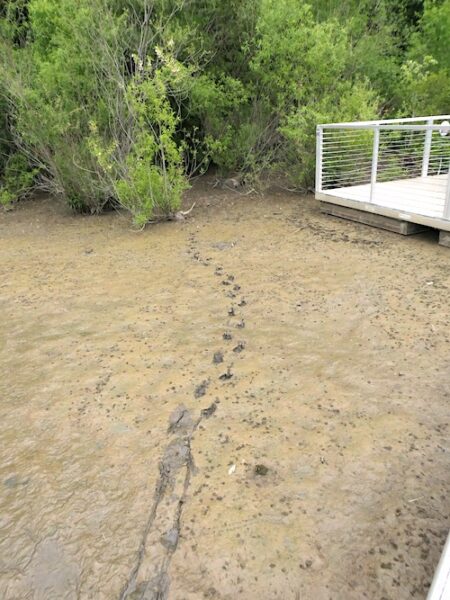
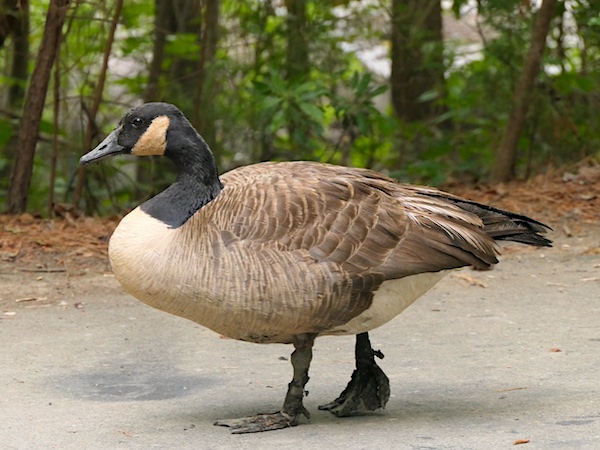
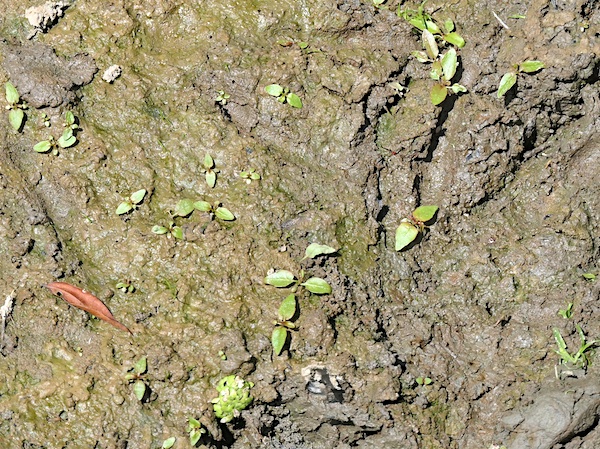
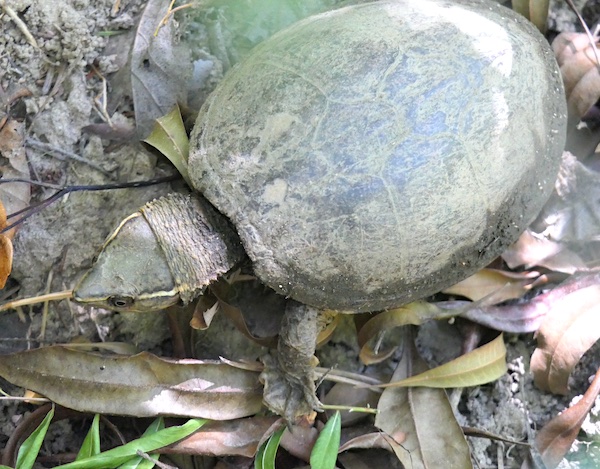
You can see numerous tracks in the mud of turtles coming and going. This is the time of year they come ashore to lay eggs, though it seems the trek keeps getting longer each day.
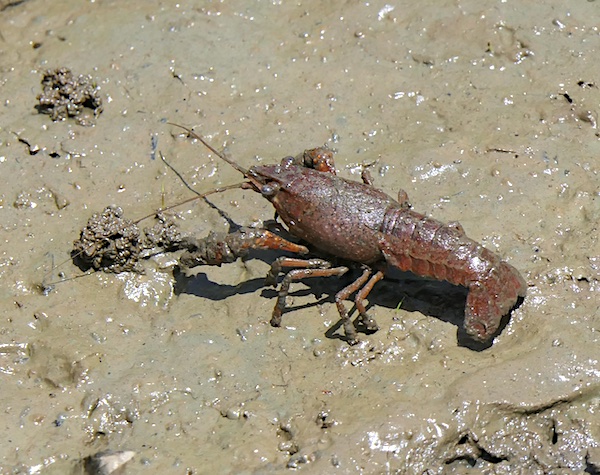
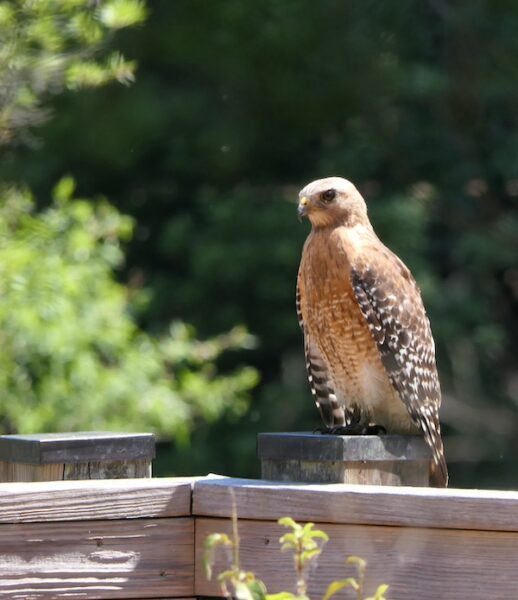
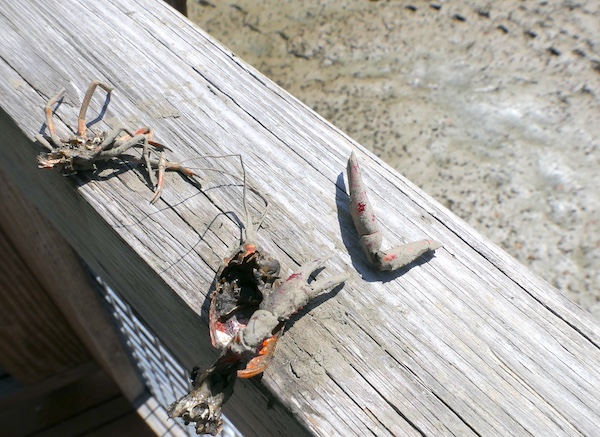
Red swamp crawfish are bailing out, which leaves them exposed to predation, most notably by things like red-shouldered hawks,
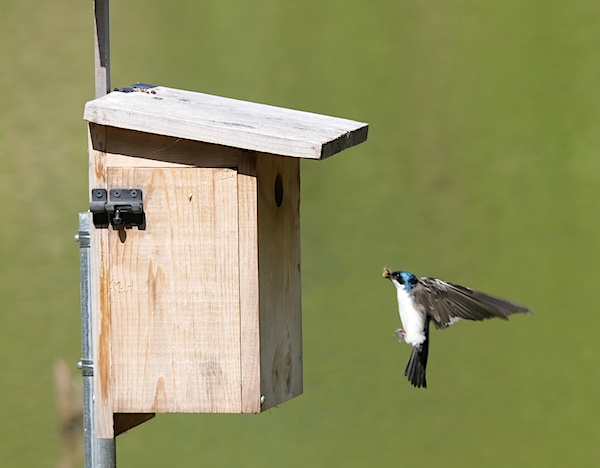
The tree swallows who have a nest in the wetlands are steadily feeding their nestlings inside.
The galls below were in an ash tree next to the boardwalk. If you were to cut open one of the galls, down the middle, longitudinally, you would see tiny grubs or insect larvae within.
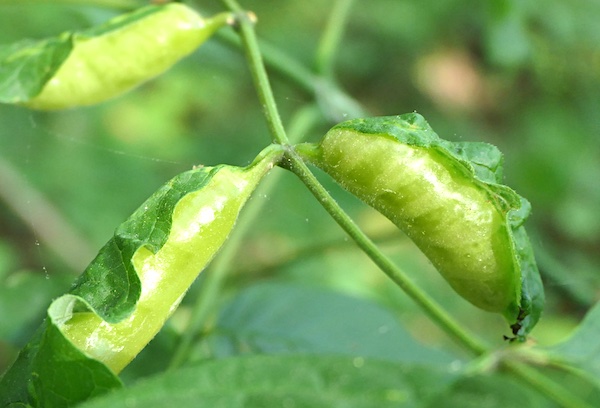
At some point in the past a midge (a type of fly) laid eggs into the stem of the leaf which stimulated the plant into growing the green shiny looking objects around the mid-rib of the leaves.
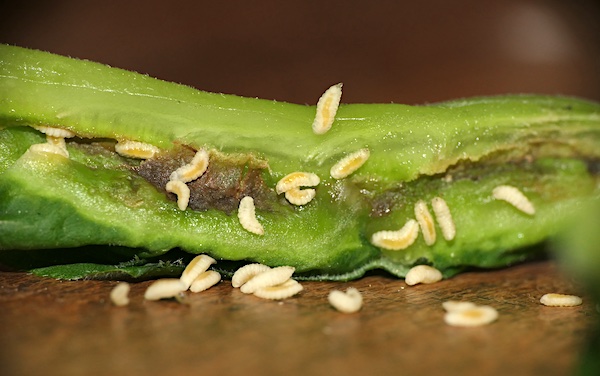
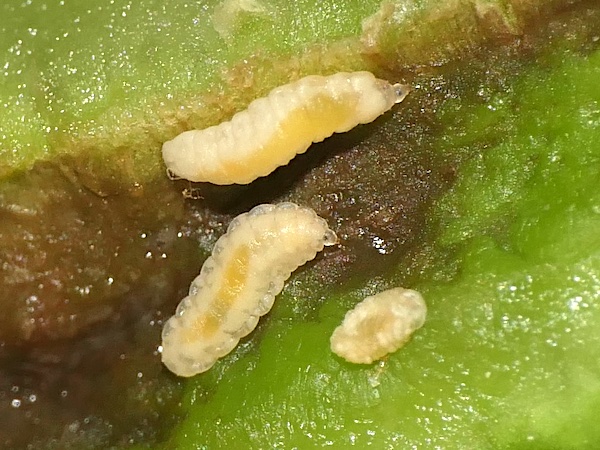
The larvae will live within the gall, consuming it while they grow, pupate and emerge as adult midges to begin the process all over again.
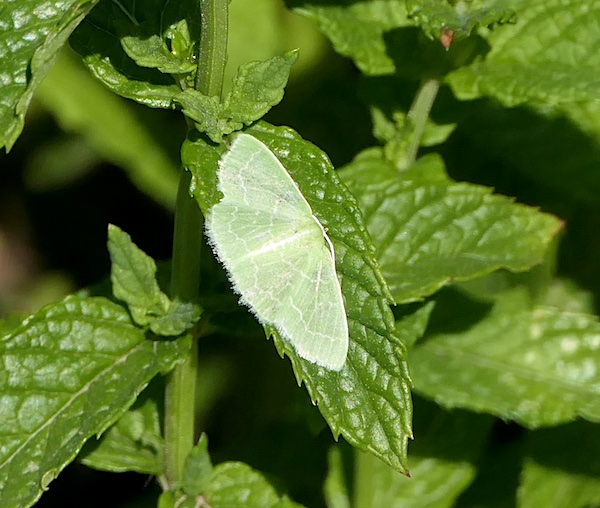
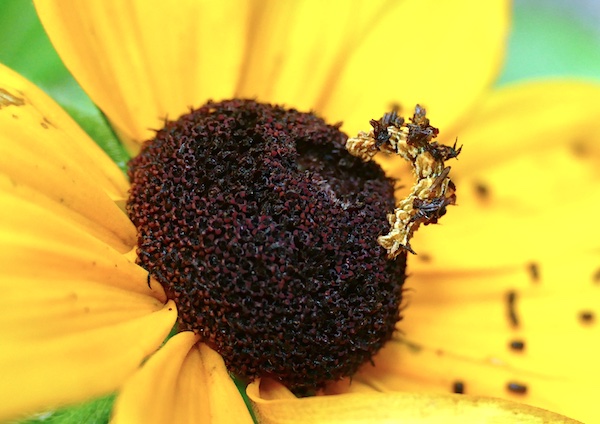
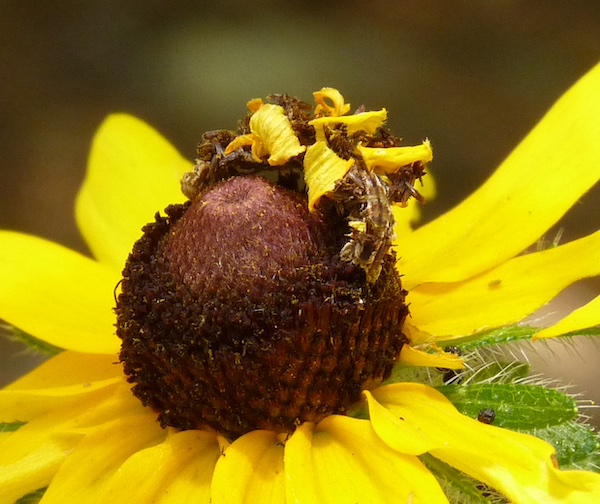
A small green moth showed itself to be a southern emerald moth. As interesting as the adult moth is for its color (green), the larva is even more unique in its habit of cutting plant parts to attach to itself as a form of camouflage. The caterpillar cuts seed heads, flower petals, or leaf parts from the plant.
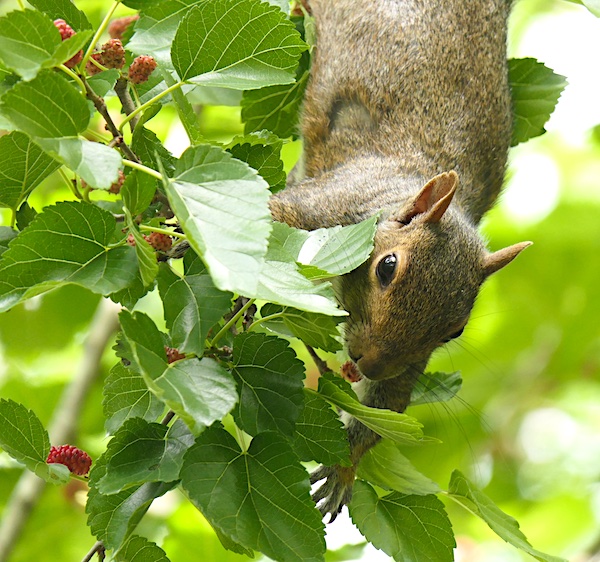
A gray squirrel seeks out the remaining mulberries of the season.
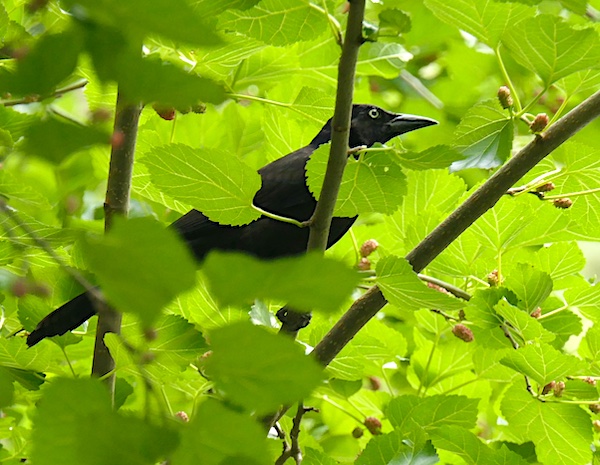
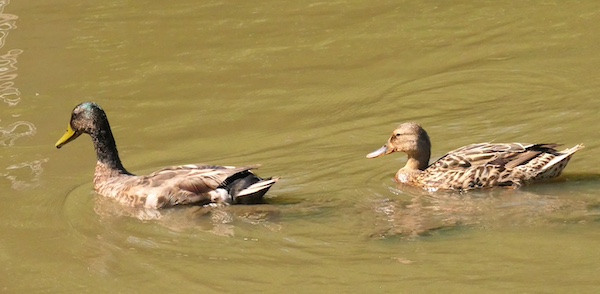
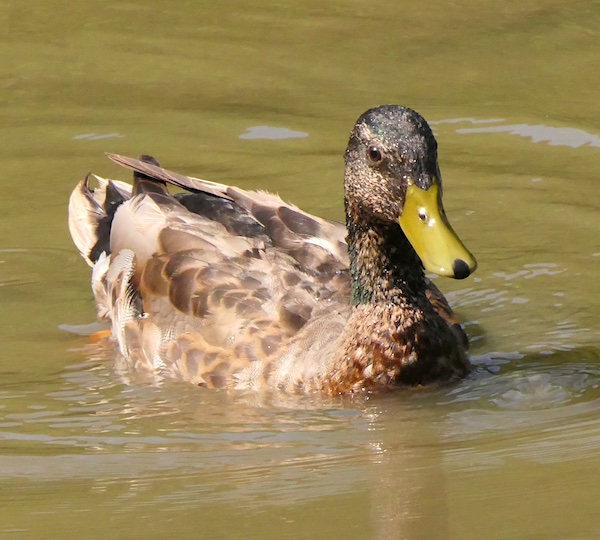
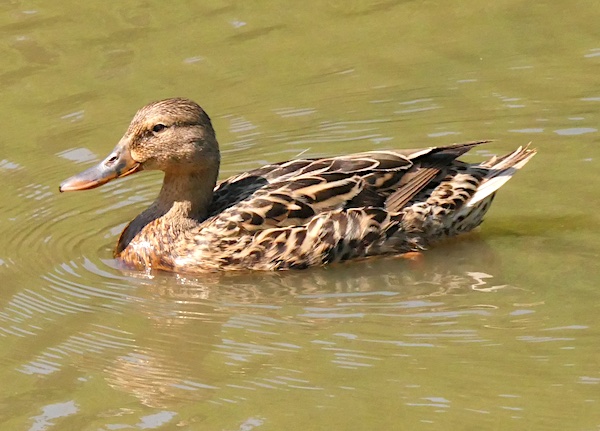
Mallards molt. They loose all of their flight feathers at once, they can’t fly for several weeks time.
It’s just getting interesting.
Ranger Greg
Great photos! Is there a chance the crawfish could be eradicated?
I don’t think the crawfish will be eradicated without a lot of work and time. And that’s not a sure thing.
As far as them leaving the pond, some may leave, but all they really need in order to survive is a little bit of moisture. They simply need to stay within their burrows, or dig new burrows. and they will make it through the drought.
Thanks,