
Top Photo: Viceroy butterfly.
With all of the black willows we have growing in and around our wetlands here at the Museum of Life + Science it’s not surprising we have viceroys flying about. Willows are the host plant for viceroys, they lay eggs on the leaves and the caterpillars eat the leaves.
Viceroys also use eastern cottonwood as a host. However, there’s only one cottonwood in our wetlands (at Water’s Edge – another tree is out of sight of the public as it’s along a service road behind the Butterfly House).
Viceroys look much like monarch butterflies while being only slightly smaller. Their orange, black and white coloration is what tricks you. A quick way to distinguish between the two is by the curved black bar across the two hindwings of the adult viceroy. Among other things the monarch lacks these marks on the wings (compare monarch here with viceroy).
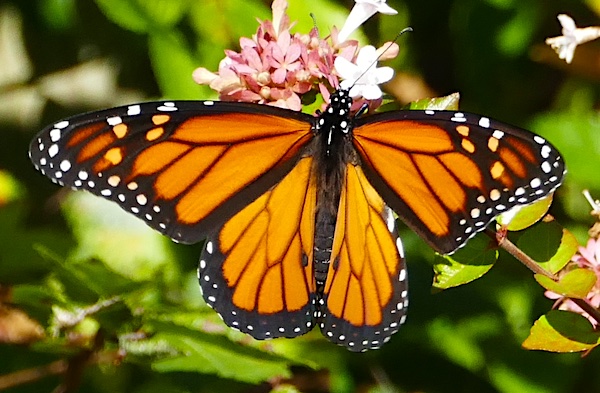
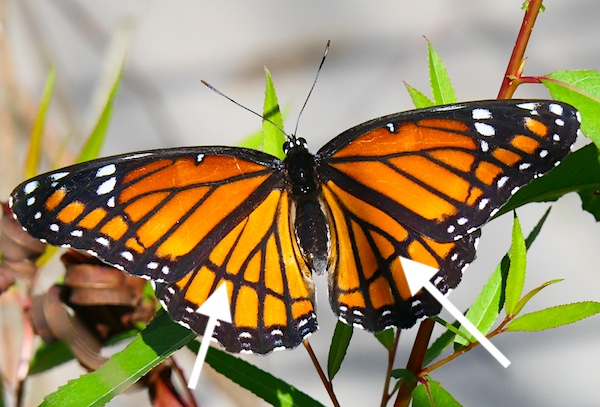
The viceroy being a near copy of the monarch, is a participant in Batesian Mimicry. Monarchs are toxic due to their host plant, milkweed. One bite and a bird or other predator will drop the monarch and avoid them in the future. The viceroy has evolved to look like a monarch. A predator will likely avoid contact with a viceroy thinking it a distasteful monarch.
The viceroy also owes its name to the monarch. A monarch is a ruler, or king. A viceroy is a person appointed to rule in place of the monarch.
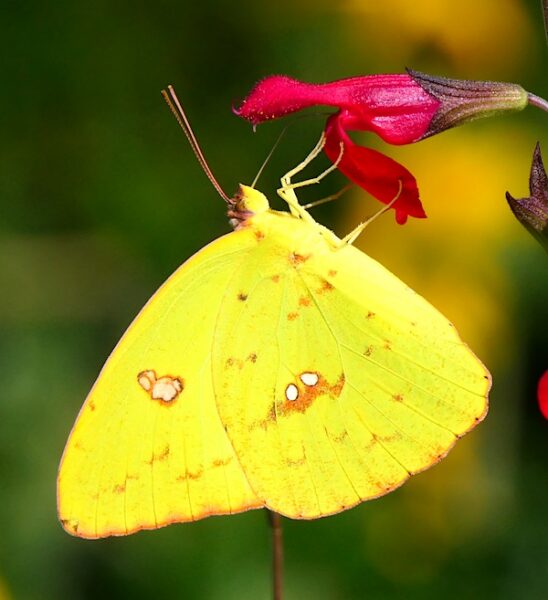
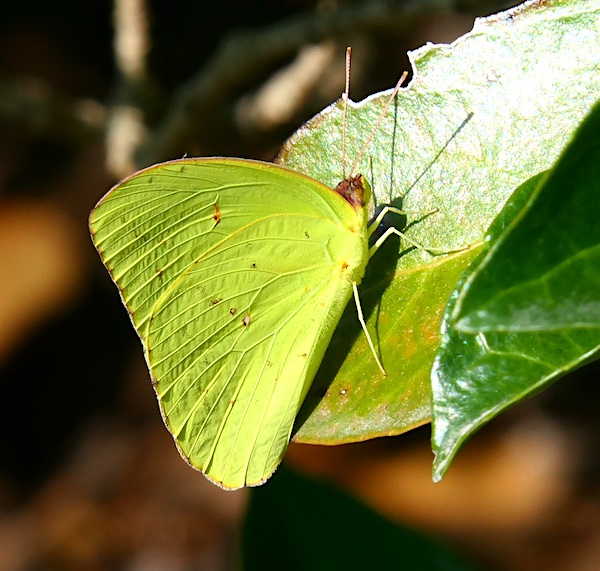
Another butterfly seen in the fall, briskly and erratically flying about the flower beds, is cloudless sulphur.
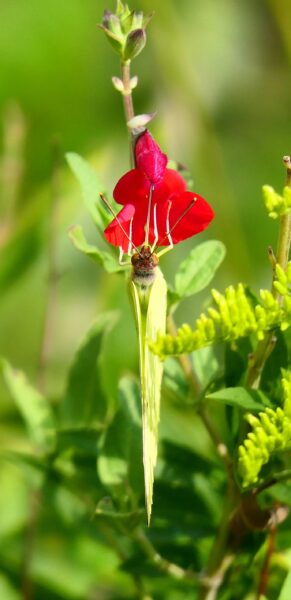
Male and female can be told apart by several markings on their wings, open circles on the female and nearly clear wings on male (few markings).
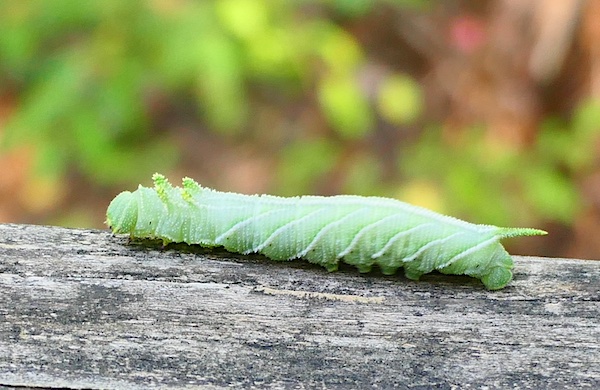
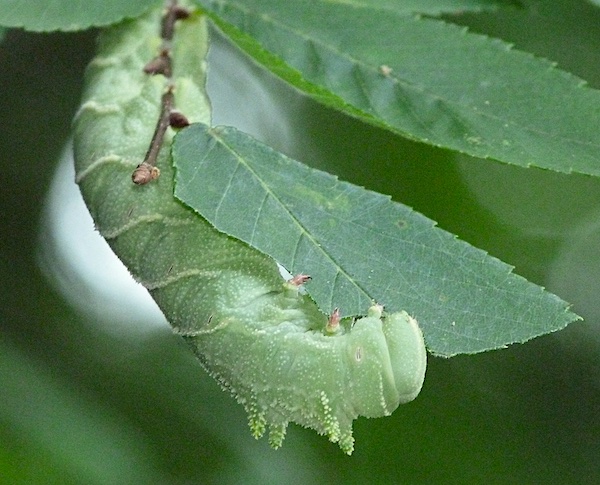
Spotted by a museum visitor while the larva was crawling along on the railing of our boardwalk through Explore the Wild, was a four horned sphinx, or elm sphinx moth caterpillar (Ceratomia amyntor). It was presumably heading out to find a safe location to overwinter. I see one of these hornworms at this location nearly each year at this time, there are a group of elm trees hanging over the boardwalk just a few dozen feet away. Elm is one of several host trees of elm sphinx moth.
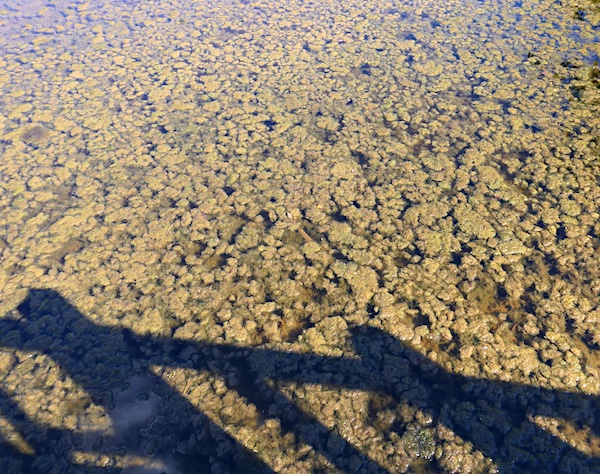
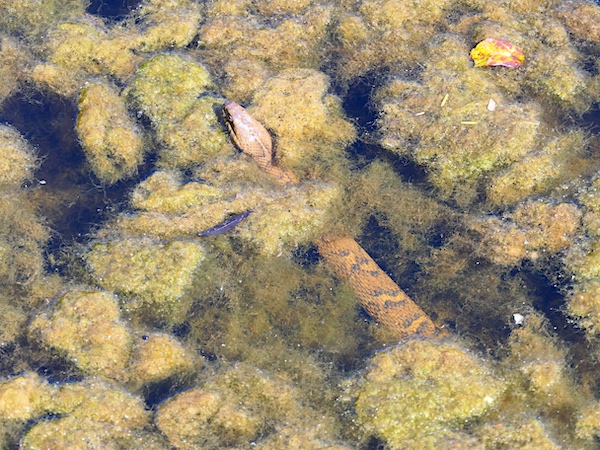
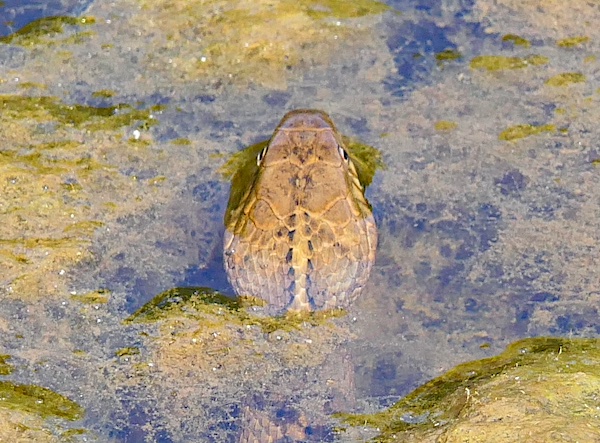
We nave an abundance of vegetation growing in the water of our wetland. This makes for nurseries for aquatic insects, fish and other aquatic creatures. It also makes excellent places to set up an ambush.
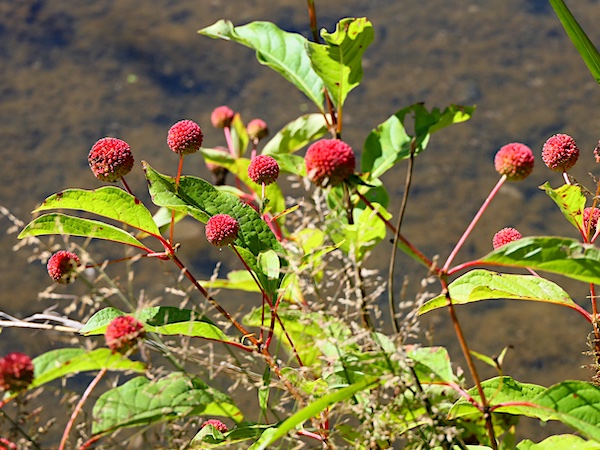
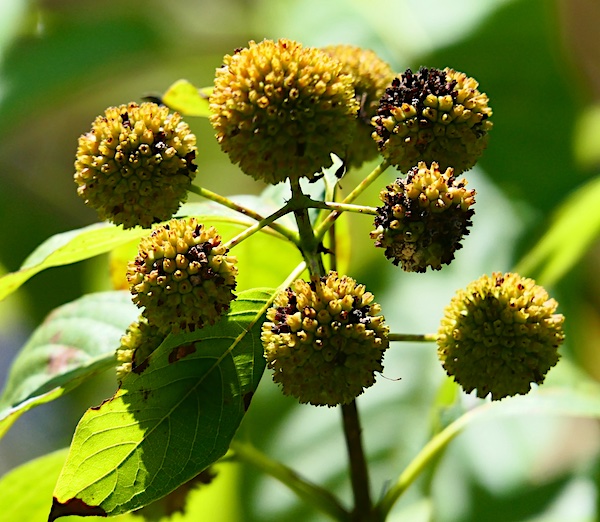
Buttonbush seed heads are evident everywhere you turn in the wetlands.
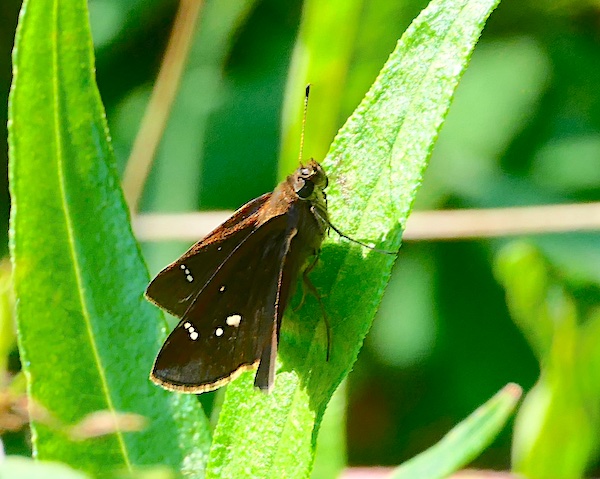
A small butterfly, a clouded skipper.
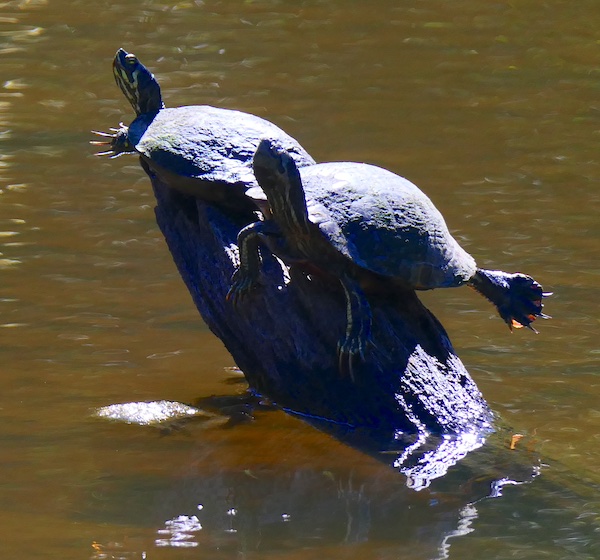
And finally, when the sun comes out, so do the turtles.
Have a pleasant walk around the outdoor loop.
Ranger Greg