
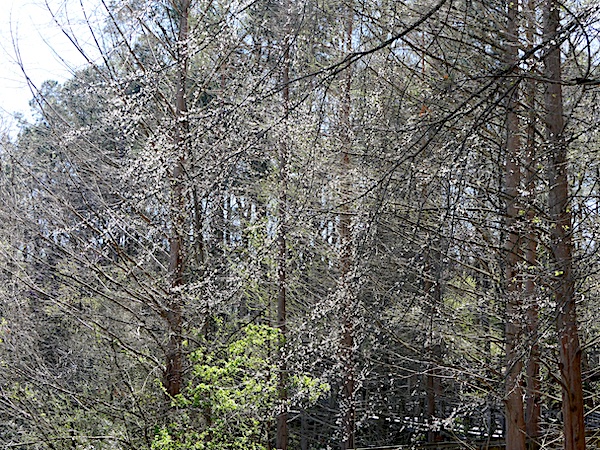
Top Photo: Redbud lights up the spring forest.
It’s when the redbud trees bloom that you realize just how many of the small trees there actually are in and along the forest edge. It blooms well before many other flowering trees, even before it sends out its own leaves. The tree’s leguminous magenta flowers brighten up the spring, and are so much more pleasing than the white, and stinky, Bradford pear blossoms. The pears are planted everywhere you look along both urban and suburban streets. Thank goodness we have redbud!
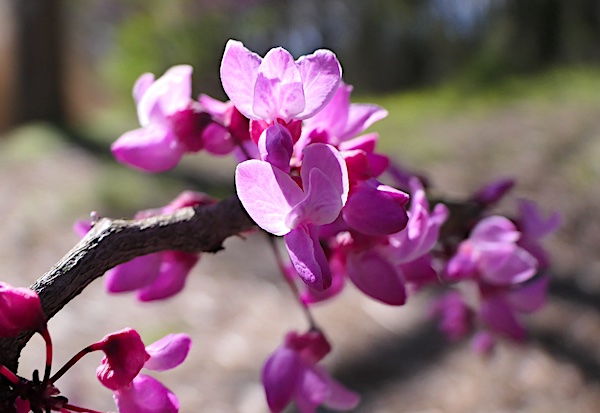
The flowers of redbud are edible and quite good. Though, In my opinion, some cultivars of the tree have sour tasting flowers (Cercis canadensis – Forest Pansy).
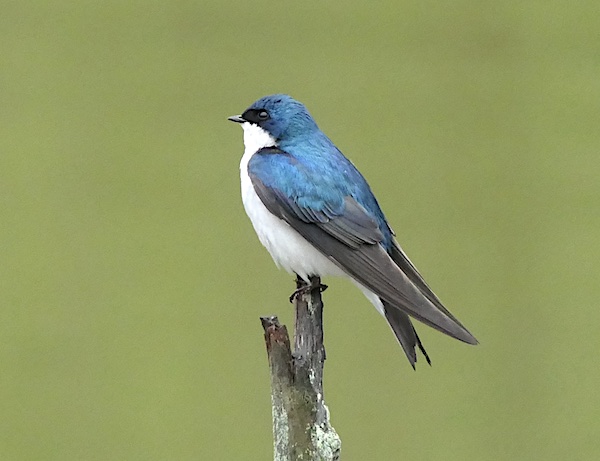
Each spring I wait the return of the swallows. Tree swallows will be here soon, in fact, Exhibit Tech Dakota mentioned he saw one over the wetlands last week. They should arrive to nest by the end of March.
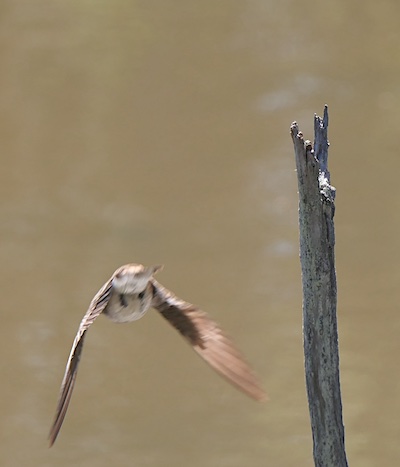
Northern rough-winged swallows typically arrive earlier. I saw the first of the season here on March 17 swirling, wheeling and diving over the water of our wetland at some unseen (by me) emerging insects. Three rough-winged swallows spent most of that bright, clear day with us.
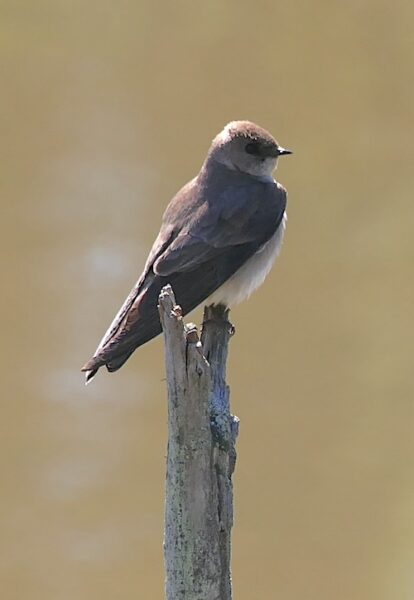
The rough-wingeds nest nearby and will bring their families over to our wetlands sometime in mid-May on some of their first training expeditions for in-flight insect hawking. Swallows, no matter what kind of swallow, make a living by catching airborne insects on the wing. They spend a lot of time in the air and don’t sit still for long.
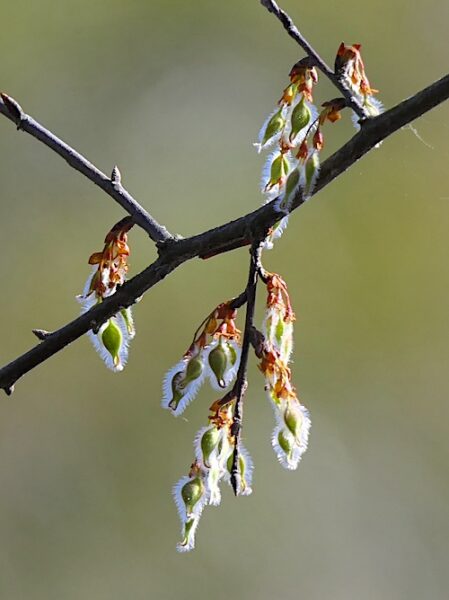
Elm samaras, or fruit, are ripening. I’ve never tried them but it’s said they’re edible. If you’re headed down the boardwalk to Explore the Wild several of the trees’ drooping branches can be seen hanging over and beyond the boardwalk as you approach the Black Bear Viewing area. You’ll walk right under them as you stroll towards the bears.
The elm fruit pictured here looks as though it’s winged elm (note the fuzzy white around the edges of the fruit).
It’s only just beginning.
As always, “have a good one.”
Ranger Greg