
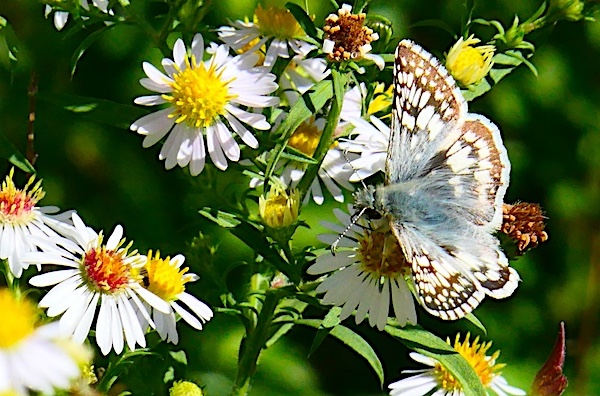
Top Photo: Common checkered-skipper nectaring on asters.
Some are native, some considered weeds, but whatever you call them the various species of asters bring a bit of brightness to the fall landscape, and a source of nectar and pollen for bees and butterflies. They grow along roadsides, in fields, woods, and even gardens.
They will soon wither and fade as the days get shorter and the temps colder. Enjoy them now.
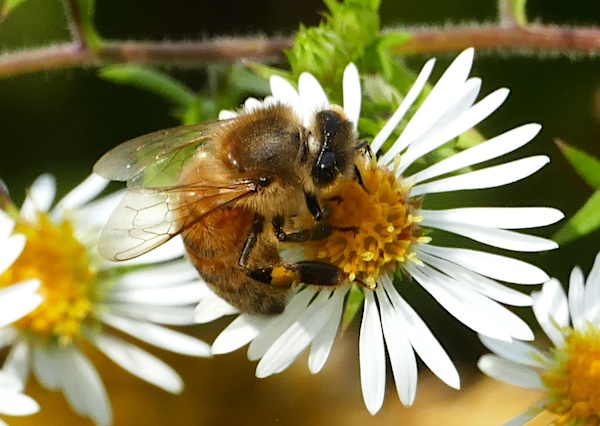
It’s time for pollen loving species to get what they can from the flowers before they disappear. Honey bees will be active throughout the winter. They’ll probably switch over to mahonia and or fatsia as they bloom in November into December. You’ll see the bees out when temps are in the 50s and above.
Butterflies too, will soon fade from view. Some like question marks and commas will overwinter as adults tucked under tree bark or in a crevice somewhere out of the way, awakening during winter warm spells. Skippers like the common checkered-skipper caterpillar will be wrapped in silk, leaves and other debris on or near the ground, pupating in the following spring. While species like monarch head for Mexico.
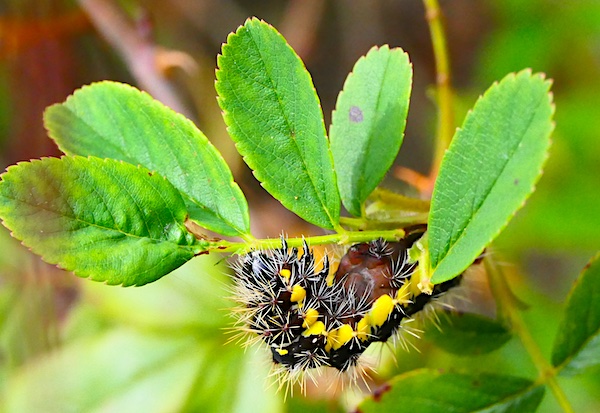
Species like the dagger moth (smartweed caterpillar or smeared dagger moth caterpillar) will spend the winter, like the checkered-skipper, as a pupa wrapped in silk and leaf litter.
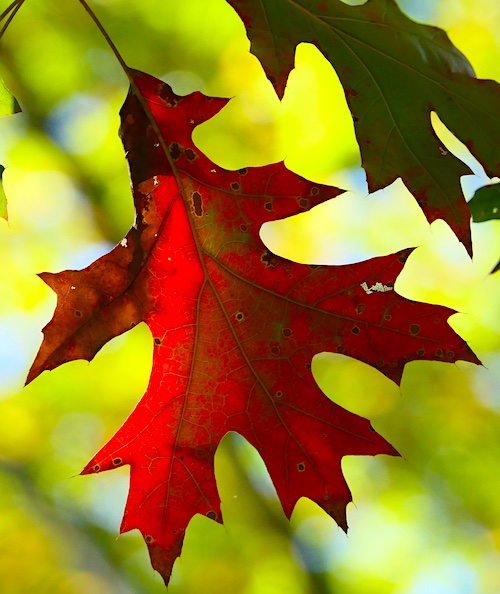
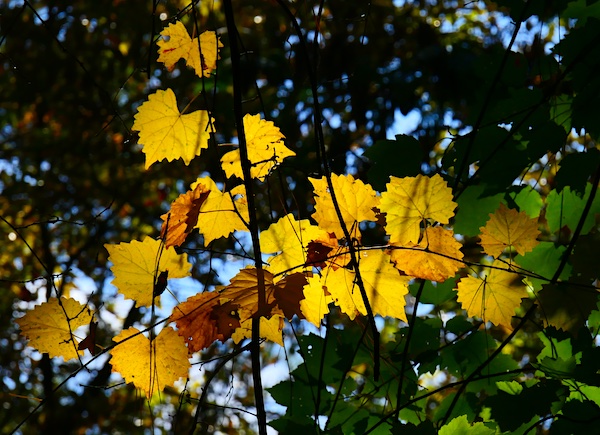
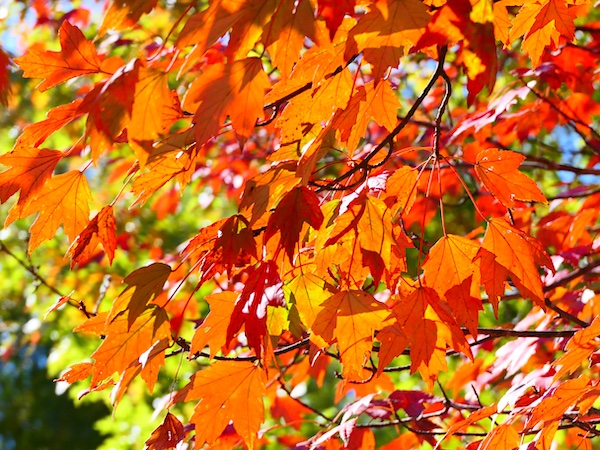
And finally, leaves are turning and will be dropping from the trees sooner than you think.
So, don’t miss a minute of it, get out there and have a look around!
Ranger Greg