
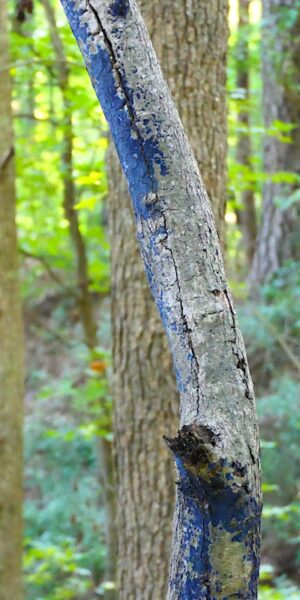
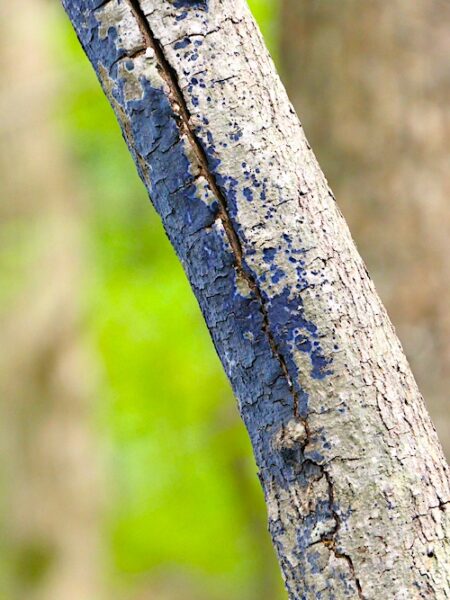
Top Photo: Colorful fungus.
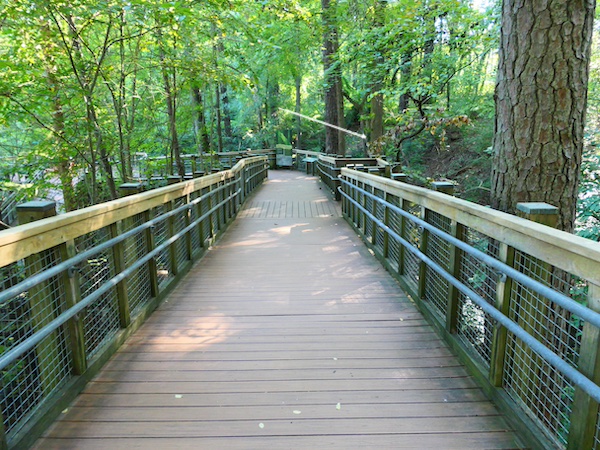
First pointed out to me by Ranger Isabel, I went to the site she described and had a look for myself. Isabel had spotted an oddly colored fungus or mold while doing work on our 750’ boardwalk and wanted to know if I knew what it was.
It was right where she said it would be, on the dead, secondary trunk of a redbud tree. I had come across this deep blue fungus before, on two occasions, both on standing dead wood. It was cobalt crust fungus, or blue velvet spread (Terana caerulea).
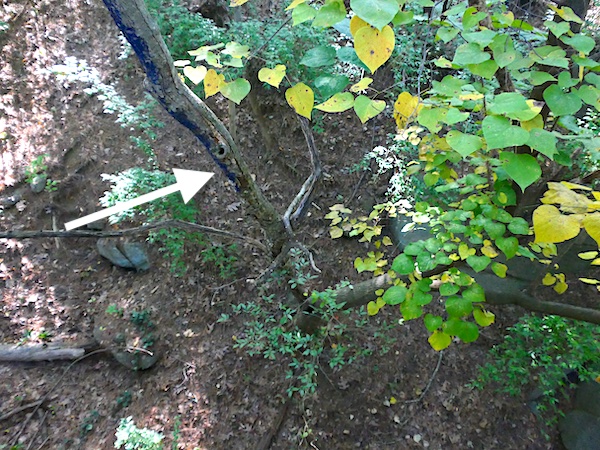
The articles I’ve read on the fungus suggest it’s common on the undersides of fallen dead hardwood tree trunks or branches. I’ve only encountered it on standing dead wood. I would probably come across the fungus more often if I purposefully turned over logs looking for it (which I may do in the future).
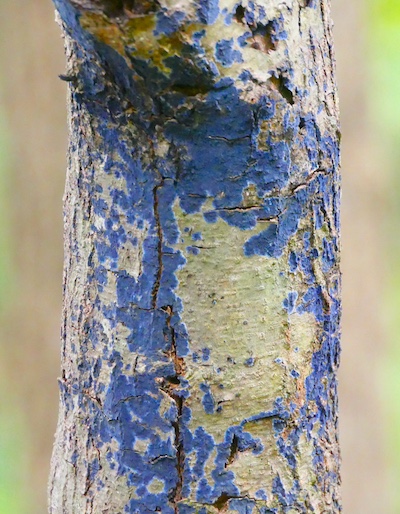
What you see when looking at the fungus on the surface of the tree or branch, the thin blue sheet, is the fruiting body of the organism, like the cap of a typical mushroom. This is where the spores are released.
It grows almost exclusively on dead hardwood. The tree or branch has to be already dead for cobalt crust fungus spores to settle in. And, it’s not toxic to humans though it’s not recommended for consumption.
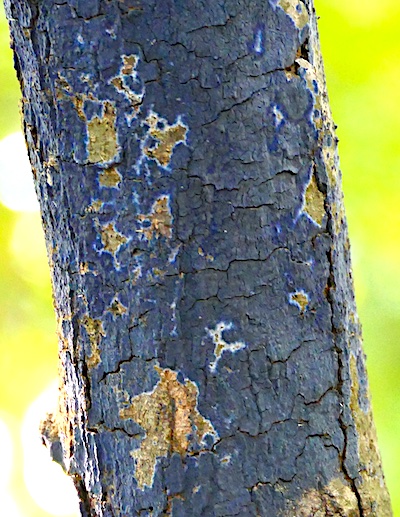
It’s found world wide in damp, warm, hardwood forests.
Ranger Greg